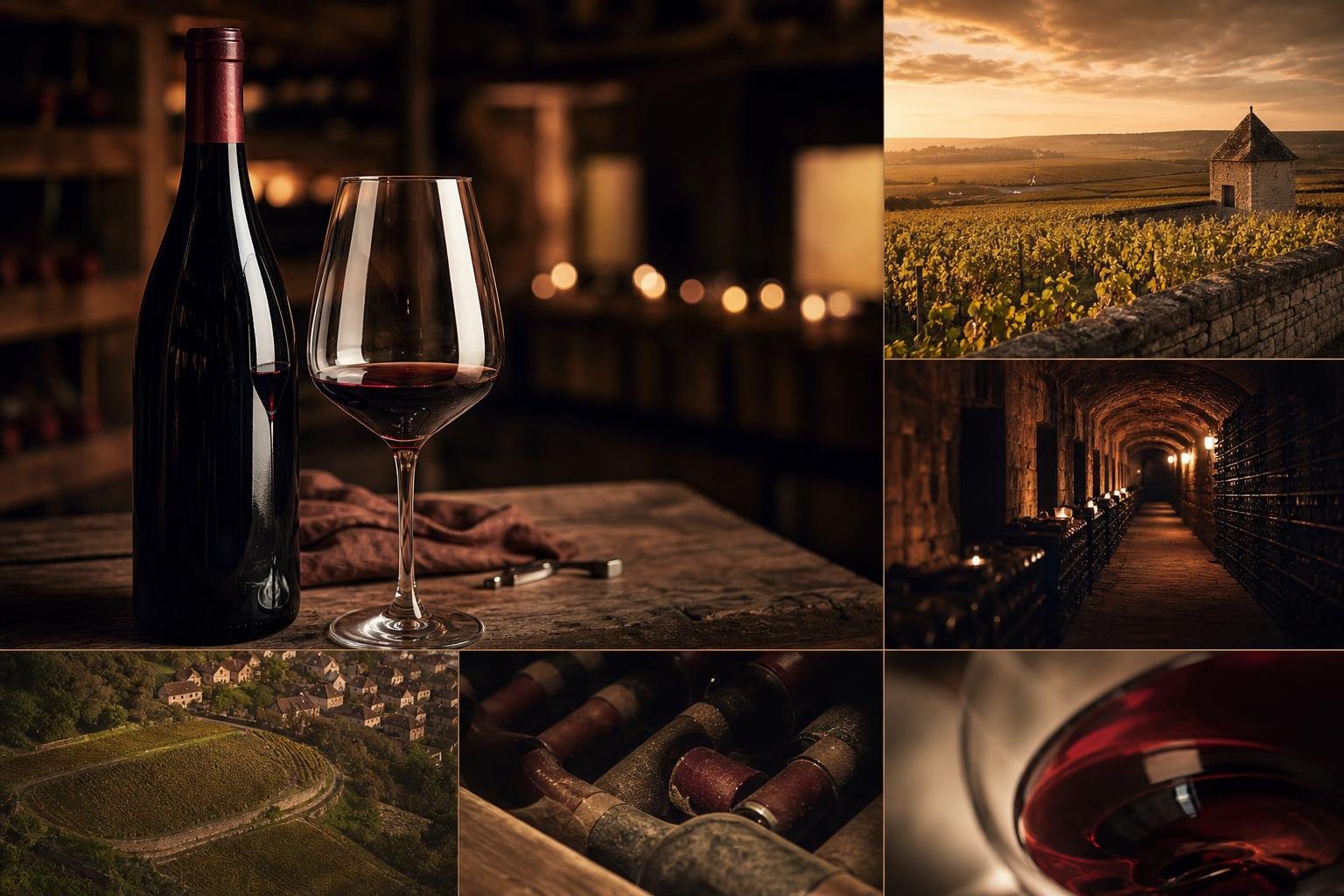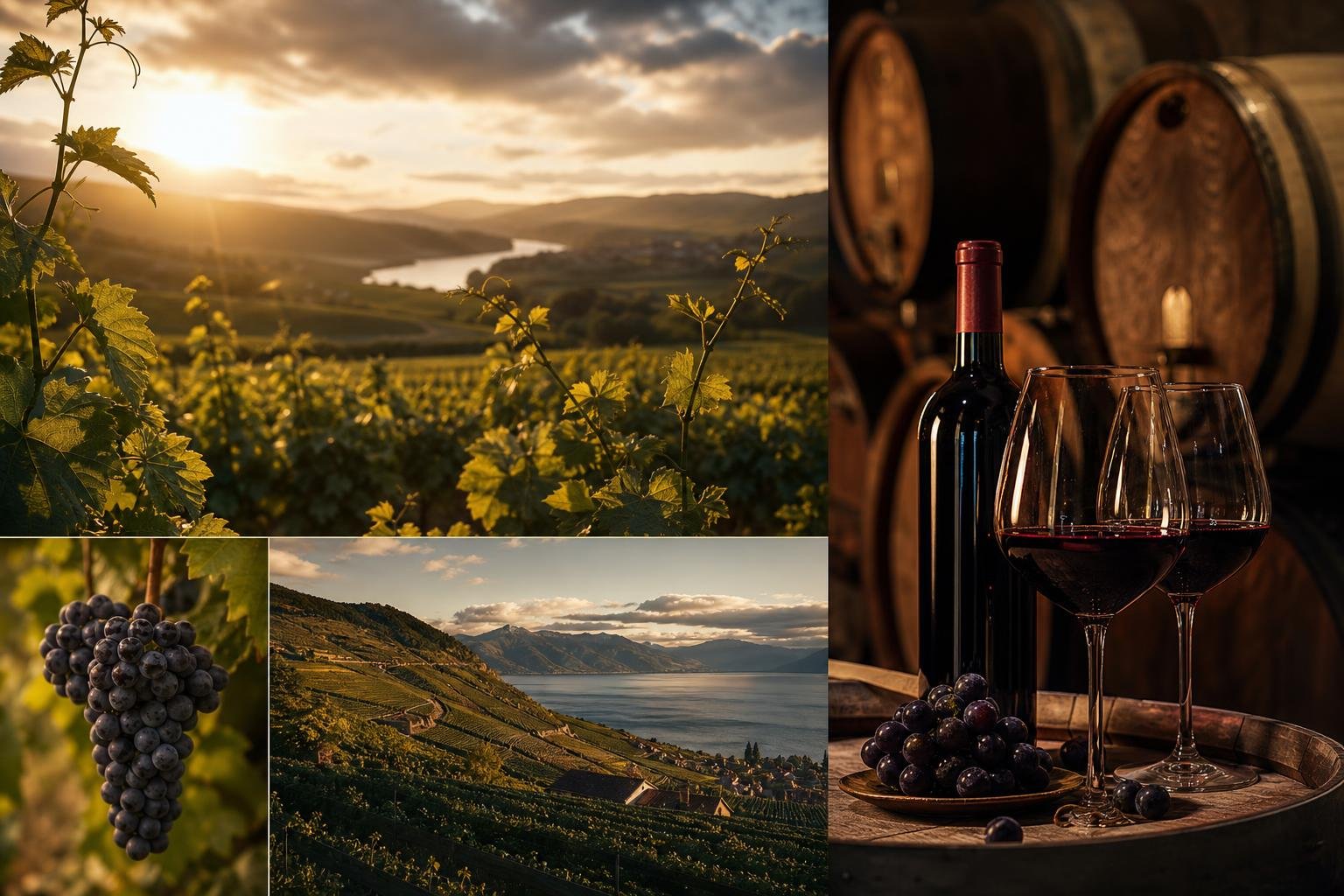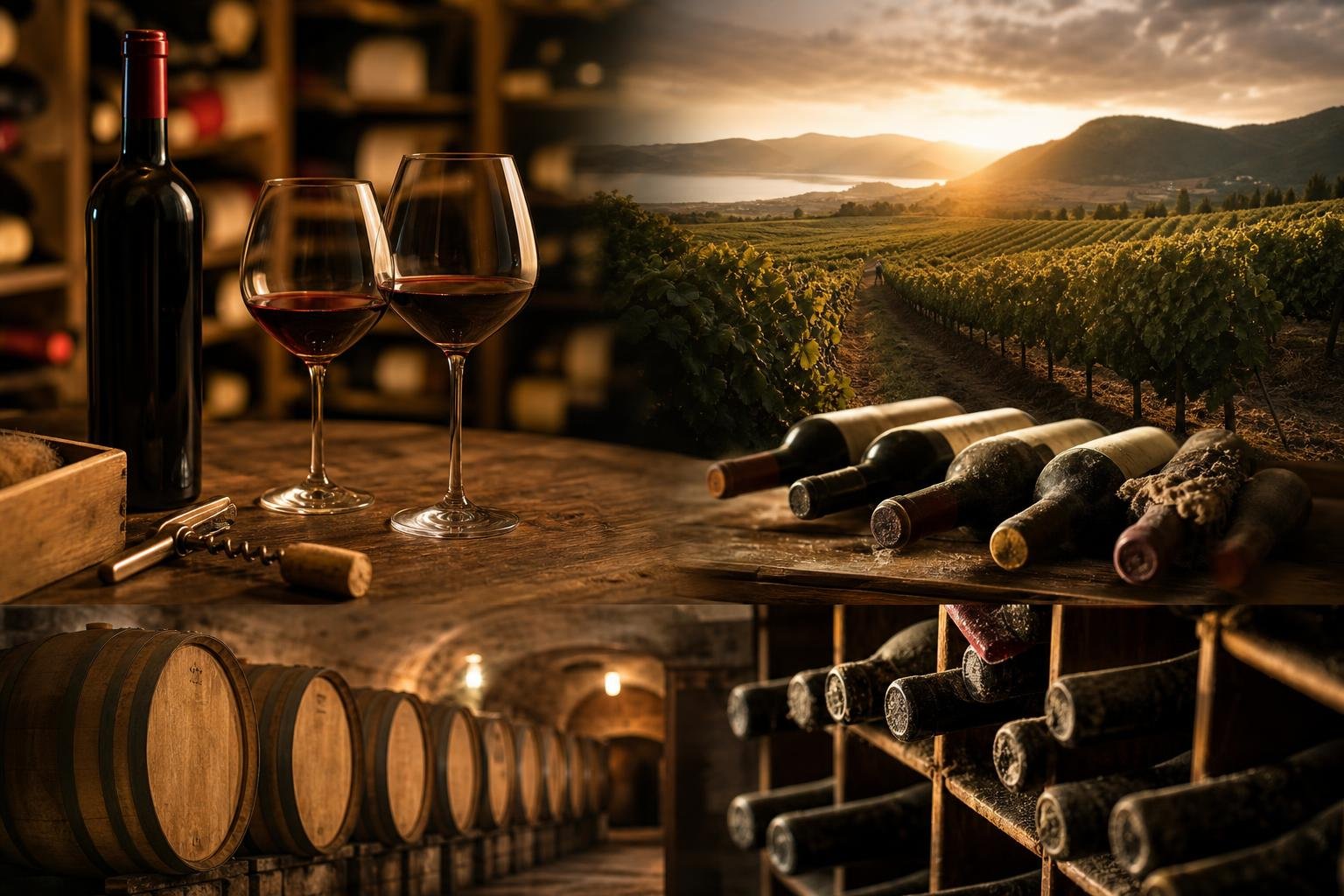
More than two decades after harvest, Domaine René Rostaing 2004 offers the kind of pleasure mature Côte-Rôtie does especially well: fragrance, savory complexity, and finesse rather than sheer power. A sound bottle should now be fully evolved and ready to drink. Its condition, however, will depend heavily on storage, cork integrity, and the particular Rostaing cuvée named on the label.
A benchmark estate in Côte-Rôtie
René Rostaing established his domaine in the 1970s and later expanded it with important vineyard holdings connected to two celebrated growers: his father-in-law, Albert Gentaz-Dervieux, and his uncle, Albert Dervieux. The resulting collection includes parcels in renowned Côte-Rôtie sites such as Côte Blonde and La Landonne. Today the estate remains closely associated with refined, site-conscious expressions of Northern Rhône Syrah.
Côte-Rôtie lies around Ampuis on steep slopes above the Rhône. Syrah is the appellation's principal grape, while local rules permit up to 20 percent Viognier when the varieties are fermented together. That provision does not mean every wine contains Viognier, nor that every producer uses a significant amount. In practice, vineyard site, vine age, extraction, élevage, and the proportion of whole berries or stems can all shape the final aroma and texture.
Why the 2004 vintage matters
The 2004 growing season followed the extraordinary heat and drought of 2003. It was generally cooler and more temperate, producing Northern Rhône wines that tend to emphasize freshness, pepper, red and dark fruit, and moderate structure rather than the density associated with hotter years. Quality was not uniform across the region, so careful selection by growers mattered. At a meticulous estate such as Rostaing, the vintage could yield balanced wines with distinctly classical proportions.
A mature Côte-Rôtie need not be massive to be compelling; its finest quality is often the way fruit gradually gives way to perfume, earth, and texture.
What to expect in the glass
No tasting note can guarantee the condition of a 2004 bottle, but a well-stored example may show dried raspberry, black cherry, violet, cracked pepper, smoked meat, olive, leather, and forest-floor nuances. The fruit is likely to be quieter than it was in youth, while acidity and fine-grained tannin should provide shape. With extended air, mature Syrah can also reveal notes reminiscent of tea leaf, iron, game, herbs, or cured meat.
These savory aromas are part of the attraction, but obvious vinegar, wet cardboard, persistent mustiness, or a flat, prematurely brown profile may indicate spoilage, cork taint, or poor storage. Sediment is entirely normal in a wine of this age and is not a fault.
Is it ready to drink?
Yes—with an important qualification. In 2026, the 2004 vintage is 22 years beyond harvest and should be considered mature. A regional or estate Côte-Rôtie bottling is unlikely to benefit from indefinite cellaring. Rostaing's single-vineyard wines, including Côte Blonde or La Landonne, can possess greater concentration and longevity, yet even these should now provide complex drinking if they have been stored well.
Collectors should assess provenance rather than relying on the label alone. A bottle kept steadily in a cool, dark cellar is a much safer proposition than one with an unknown history. Check the fill level, capsule, signs of seepage, and whether the cork appears pushed or stained. None of these clues is infallible, but together they help indicate condition.
How to open and serve it
Stand the bottle upright for at least several hours, preferably a day, so sediment can settle. Serve at approximately 16–18°C, slightly cooler than typical room temperature. Open the bottle carefully with a two-prong cork puller or an older-wine opener, because a 22-year-old cork may be fragile.
Decant primarily to separate the clear wine from its sediment. Do not automatically give it several hours of air: mature Côte-Rôtie can blossom quickly and then fade. Taste immediately after opening. If the aromas seem muted, allow 20 to 40 minutes in a decanter or generously sized glass. Clean, odor-free stemware is especially important because the wine's appeal lies in aromatic detail.
Food pairings and the dinner table
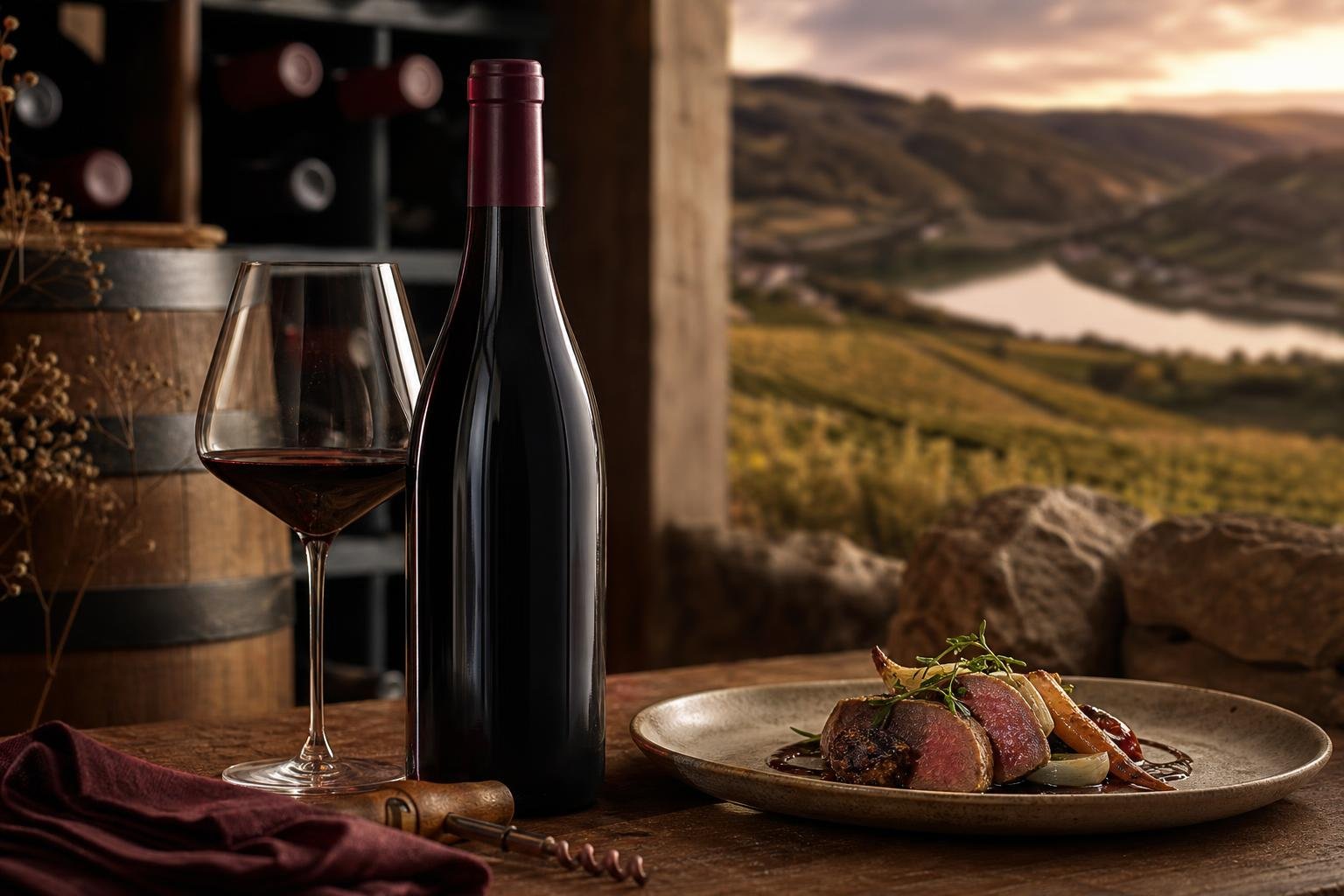
The 2004's likely elegance makes it more versatile than a heavily extracted Syrah. Roast duck, lamb with rosemary, guinea fowl, mushroom risotto, lentils with smoked sausage, or beef cooked with shallots can complement its earthy and peppery character. Avoid aggressively sweet sauces, excessive chili heat, or very strong vinegar dressings, which may overwhelm mature fruit.
For a dinner date, open a backup bottle before guests arrive; older wine always carries some risk. Côte-Rôtie also rewards an unhurried meal. Pour modest servings, revisit the glass, and notice how violet and fruit tones may shift toward olive, leather, and woodland aromas. That evolution is not merely a curiosity—it is the central pleasure of drinking mature Northern Rhône Syrah.
The verdict
Domaine René Rostaing 2004 is best approached for subtlety, not force. Assuming good provenance, it should be opened now rather than saved for a distant anniversary. Handle it gently, pair it with savory food, and let its mature perfume tell the story of a cooler, classically shaped Côte-Rôtie vintage.