Château Cantemerle 2004 makes a persuasive case for looking beyond celebrated Bordeaux vintages. Neither as opulent as 2003 nor as acclaimed as 2005, the 2004 vintage has long occupied a quieter place in the market. Yet well-stored bottles can deliver precisely what many drinkers want from mature claret: aromatic complexity, measured structure and an unmistakable sense of place.
Cantemerle is especially appealing because its style has traditionally favored fragrance and finesse over sheer power. At two decades of age, the 2004 can offer a sophisticated experience without the imposing price attached to many classified Médoc estates. It is also a thoughtful choice for a dinner date: recognizable enough to prompt conversation, restrained enough to accompany food and mature enough to feel like an occasion.
A Fifth Growth with an Unusual History
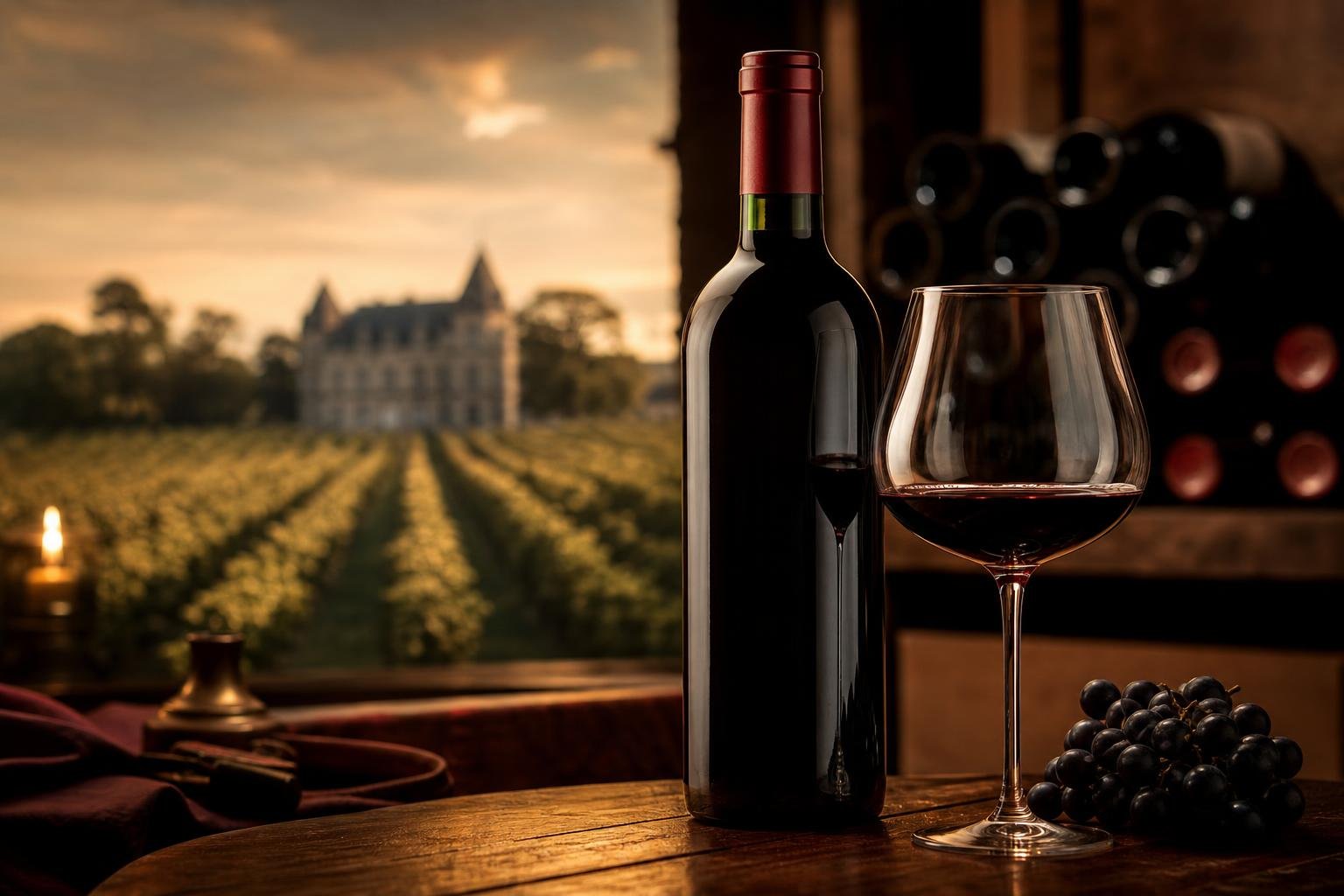
Château Cantemerle stands in Macau, near the southern end of the Haut-Médoc appellation and close to the boundary with Margaux. This location helps explain the estate’s reputation for an elegant, perfumed expression of the Médoc rather than an especially massive one.
The château is classified as a Fifth Growth in the 1855 Classification. Its place in that historic ranking has an intriguing footnote. Cantemerle was not present on an early version of the list, reportedly because its wines had traditionally been sold directly rather than through the Bordeaux brokers whose market records informed the classification. After evidence of its selling prices was supplied, the estate appeared in the official published classification.
Since 1981, Cantemerle has been owned by the French insurance group SMABTP. Investment under this ownership expanded the vineyard and modernized the property, while the estate retained its established focus on Cabernet Sauvignon and Merlot, supported by Cabernet Franc and Petit Verdot.
Why the 2004 Vintage Deserves Attention
The 2004 growing season followed the exceptionally hot, dry conditions of 2003. It was marked by a very large potential crop, making vineyard management and yield control important. September brought favorable weather that helped producers harvest Cabernet Sauvignon under sound conditions. The resulting red Bordeaux wines are generally fresher, firmer and less concentrated than those of 2003 or 2005.
That comparison has sometimes worked against 2004 commercially. Bordeaux buyers often chase vintages associated with richness, longevity and high critical scores. The relatively classical proportions of 2004—moderate fruit weight, visible acidity and structured tannins—were less dramatic in youth. Time, however, has allowed successful wines to develop the savory complexity for which mature Bordeaux is prized.
Great value in mature Bordeaux often lies between the famous years, where balance matters more than vintage mythology.What Château Cantemerle 2004 Tastes Like
Bottle condition is now decisive, but a sound Château Cantemerle 2004 should emphasize subtlety rather than force. Its fruit profile may include dried blackcurrant, red cherry and plum, while bottle age can introduce cedar, tobacco leaf, graphite, forest floor and dried herbs. Cantemerle’s characteristic floral quality may survive as a trace of violet or faded rose.
The palate is typically medium-bodied, with refreshing acidity and tannins that should now be softened but not necessarily absent. This is not a sweetly fruited, plush style. Its attraction lies in the interplay between remaining fruit, earthy development and a gently savory finish. Drinkers accustomed to young, oak-rich Cabernet may initially find it reserved; those who enjoy traditional claret are more likely to appreciate its composure.
Serving a Mature Bottle Carefully
Provenance matters more than any published score. Look for a bottle with a sound capsule, an undamaged cork and a fill level appropriate for its age. Avoid signs of heat exposure or seepage. Because sediment is likely, stand the bottle upright for several hours before opening.
Decanting should be cautious. Separate the wine from its sediment, then taste it immediately. A healthy bottle may benefit from 20 to 40 minutes of air, but prolonged decanting can cause a mature, delicate wine to fade. Serve it around 16–18°C rather than at a warm room temperature. Large glasses will help its restrained aromas unfold.
Food Pairing and Date-Night Appeal
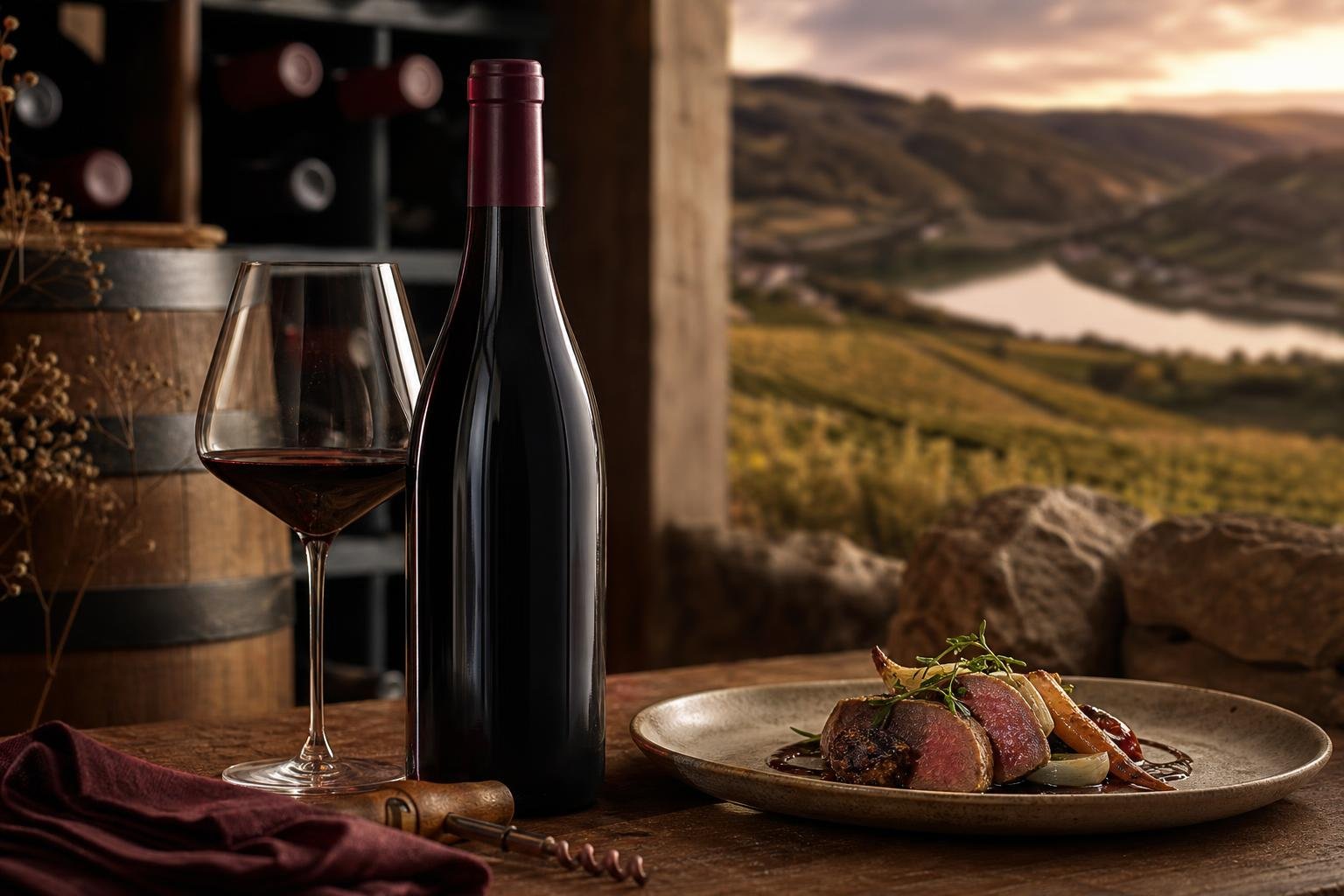
Cantemerle 2004 belongs at the table. Roast lamb, duck breast, beef tenderloin and mushroom dishes complement its earthy, cedar-inflected character. Lentils, grilled aubergine or a mushroom and herb tart can work well for a meat-free pairing. Avoid very sweet sauces or aggressive chilli heat, which can overwhelm mature fruit and make the tannins seem harsher.
For a date, the wine offers more than pedigree. Its history creates an easy conversation, while its moderate scale allows the meal to remain central. Opening a mature bottle also encourages a slower pace: checking the cork, observing how the aromas change and comparing impressions over dinner.
Why It Remains Undervalued
Cantemerle lacks the prestige pricing of the Médoc’s most famous names, and 2004 carries less speculative demand than trophy vintages. That combination can produce attractive relative value. Undervalued does not mean inexpensive, nor does it guarantee that every bottle will perform equally after years of storage. It means the wine may offer more maturity, classification pedigree and regional character than similarly priced bottles from fashionable estates or vintages.
Château Cantemerle 2004 is therefore best approached not as a blockbuster or investment object, but as a graceful mature Haut-Médoc ready for the dinner table. When provenance is good, it can show how beautifully an overlooked Bordeaux vintage ages—and why elegance often provides more lasting pleasure than power.