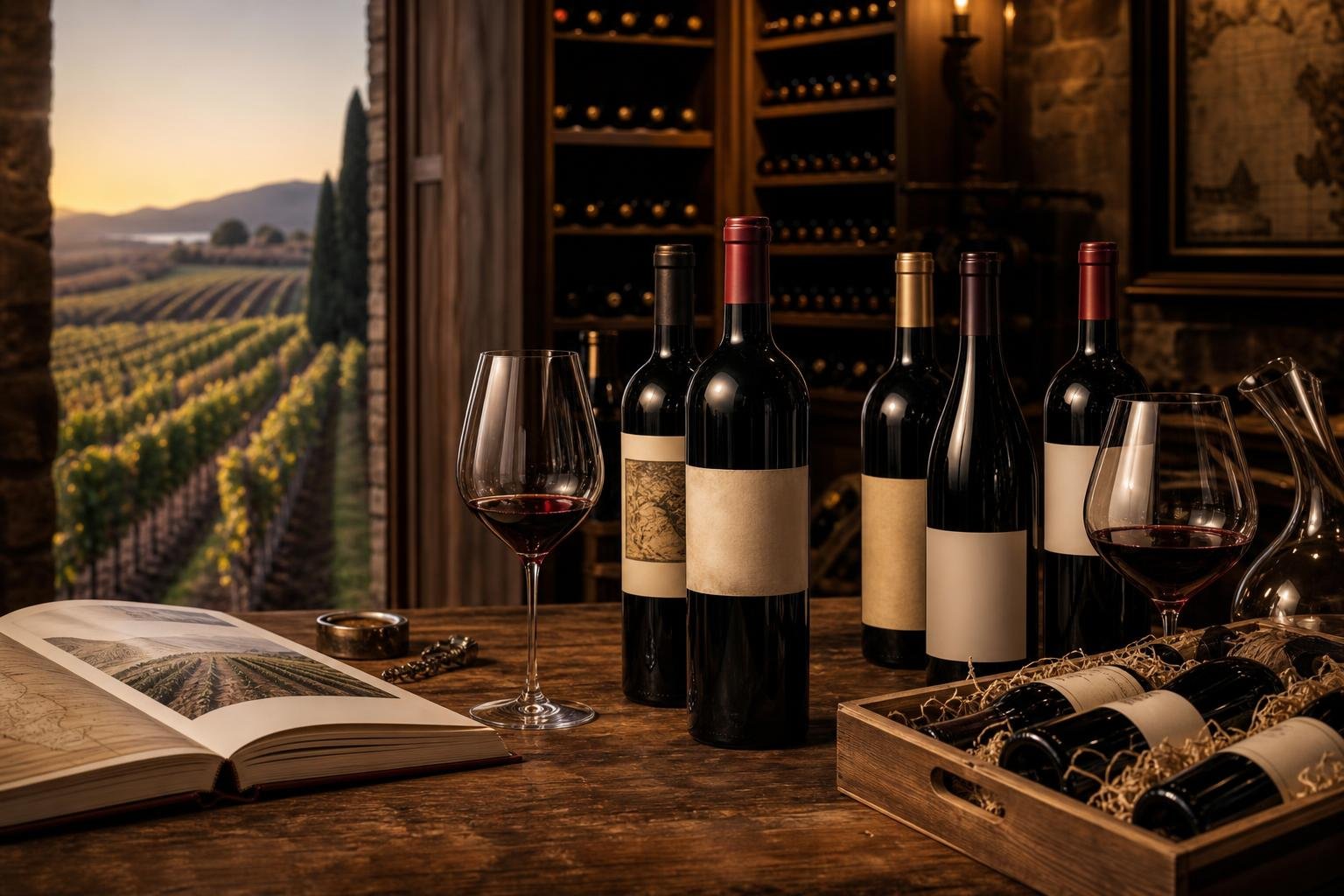
Selling wine online can connect a small producer, merchant, or collector with customers far beyond a physical tasting room. Yet wine is not ordinary e-commerce merchandise. Alcohol licensing, destination-specific shipping rules, adult-signature requirements, taxes, storage conditions, and bottle provenance all influence whether an online wine business succeeds.
The strongest operators combine legal discipline with persuasive storytelling and careful fulfillment. A beautiful website may attract attention, but reliability earns repeat orders.
Choose the right business model
Before building a store, decide who will own the inventory, process the payment, and legally sell the wine. A winery may use direct-to-consumer privileges where permitted. A licensed retailer can offer multiple producers, although its shipping rights may differ from those granted to wineries. Marketplaces may act only as discovery platforms, while a licensed partner becomes the merchant of record.
Private collectors face a different challenge. In many jurisdictions, an individual cannot simply operate as an unlicensed wine retailer. Auction houses, brokers, licensed consignment services, and specialist exchanges can provide a compliant route to market, particularly for mature or rare bottles.
Understand licensing before accepting orders
Alcohol law is determined by the seller's location, the buyer's destination, and the type of licence involved. In the United States, interstate wine sales operate within a patchwork of federal and state rules. The Supreme Court's 2005 Granholm v. Heald decision rejected discriminatory treatment of out-of-state wineries, but it did not establish unrestricted nationwide shipping. Winery, retailer, and marketplace permissions can still differ significantly by state.
Elsewhere, sellers must consider local alcohol licences, distance-selling rules, excise duties, VAT or sales tax, import requirements, and data-protection obligations. Regulations change, so obtain advice from an alcohol-licensing professional rather than copying another merchant's shipping map.
An age gate is a useful warning, not a complete age-verification system.Build compliance into checkout and delivery. Restrict prohibited destinations, verify age using legally appropriate methods, retain required records, and use approved carriers. Where required, packages should carry alcohol labels and be released only after an adult signature. Do not promise unattended doorstep delivery if the law or carrier agreement forbids it.
Build a store around wine buyers
A wine product page should answer practical questions quickly. Include producer, region, appellation, vintage, grape variety, bottle size, alcohol level, farming or certification claims when verified, and relevant allergen information. Explain style through acidity, tannin, body, sweetness, texture, and flavour rather than relying on vague superlatives.
Vintage matters, but avoid reducing an entire region to a score. Weather can affect ripeness, acidity, disease pressure, harvest timing, and yield, while individual growers make different decisions. A useful note distinguishes regional conditions from the actual wine in the bottle.
Original photography builds confidence. Show the label, capsule, fill level, and packaging; for collectible wine, document ullage, seepage, label damage, storage history, and provenance. Never imply that an old bottle is guaranteed to drink perfectly. Even impeccable examples vary because corks and storage histories vary.
Price for profit, not merely traffic
Calculate the complete contribution margin: wholesale or production cost, packaging, payment fees, software, taxes, compliance services, breakage, customer acquisition, and shipping subsidies. Wine is heavy, and a seemingly generous shipping offer can erase the profit on a modest order.
Case incentives and mixed packs can raise average order value, but discounts should have a commercial purpose. Curated regional cases, comparative grape selections, and seasonal drinking packs often provide more interest than routine price cutting. Display the total cost clearly before payment to reduce abandoned carts and disputes.
Protect wine during storage and transit
Wine is sensitive to sustained heat, rapid temperature changes, freezing, vibration, and light. Use a stable, secure storage facility with inventory traceability. During hot or cold weather, consider holding shipments, using insulated materials, selecting faster services, or offering temperature-controlled logistics where available.
Packaging should separate bottles and protect their shoulders, bases, and necks. Certified protective inserts reduce movement and breakage, while right-sized cartons help control weight and waste. Establish a written policy for leakage, cork movement, weather delays, and damaged deliveries.
Market with education and specificity
Search-friendly content should answer genuine buying questions: what a grape tastes like, how two appellations differ, which wines suit a dish, and when a bottle may be ready to drink. Food-pairing advice is most useful when it explains structure. High acidity can refresh the palate beside rich food, sweetness can soften chilli heat, and substantial tannin generally works better with protein-rich dishes than with delicate fish.
Email remains valuable because it allows merchants to introduce new arrivals, allocations, producer stories, and educational tastings to an audience that has chosen to hear from them. Obtain valid consent, provide an unsubscribe mechanism, and avoid marketing to underage consumers. Social media can create discovery, but platform rules and local alcohol-advertising standards still apply.
Turn first orders into long-term relationships
Wine is unusually well suited to retention because customers develop preferences over time. Record lawful, consented signals such as preferred regions, styles, price bands, and purchase frequency. Use them to make relevant recommendations rather than sending every offer to every customer.
Clubs and subscriptions can create predictable revenue, but terms must be transparent. State shipment frequency, bottle count, pricing, cancellation procedures, delivery restrictions, and substitution policy. Thoughtful post-purchase guidance—serving temperature, decanting, glassware, and drinking windows—adds value without discounting.
Measure what creates durable value
Track conversion rate, average order value, gross margin after fulfillment, repeat-purchase rate, breakage, failed delivery costs, refund rate, and customer acquisition cost. Revenue alone can conceal an unprofitable shipping programme.
Ultimately, the best way to sell wine online is to treat compliance, condition, and trust as part of the product. Accurate descriptions, transparent prices, sound provenance, and dependable delivery may appear less glamorous than a viral campaign, but they are the foundations of a serious wine business.