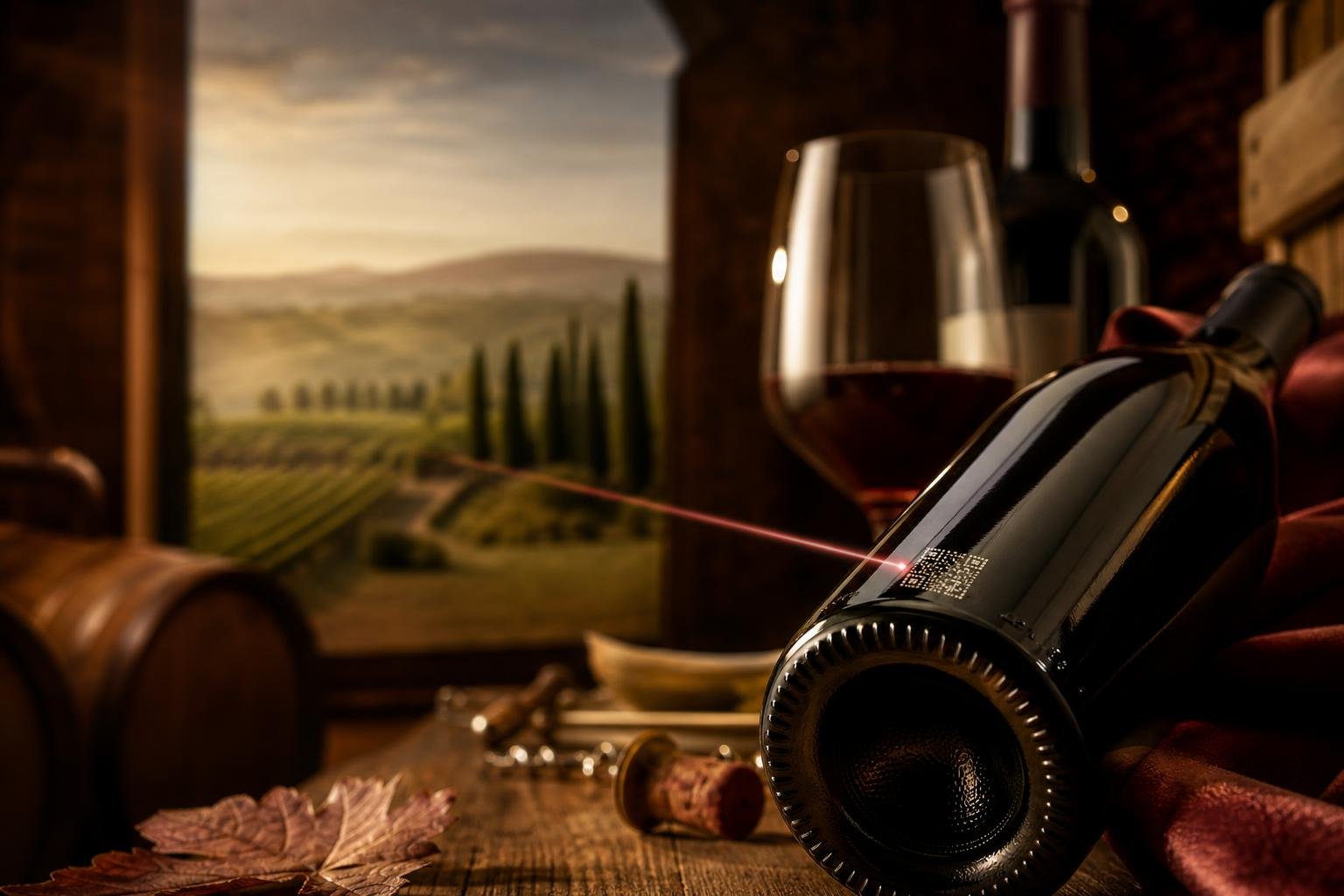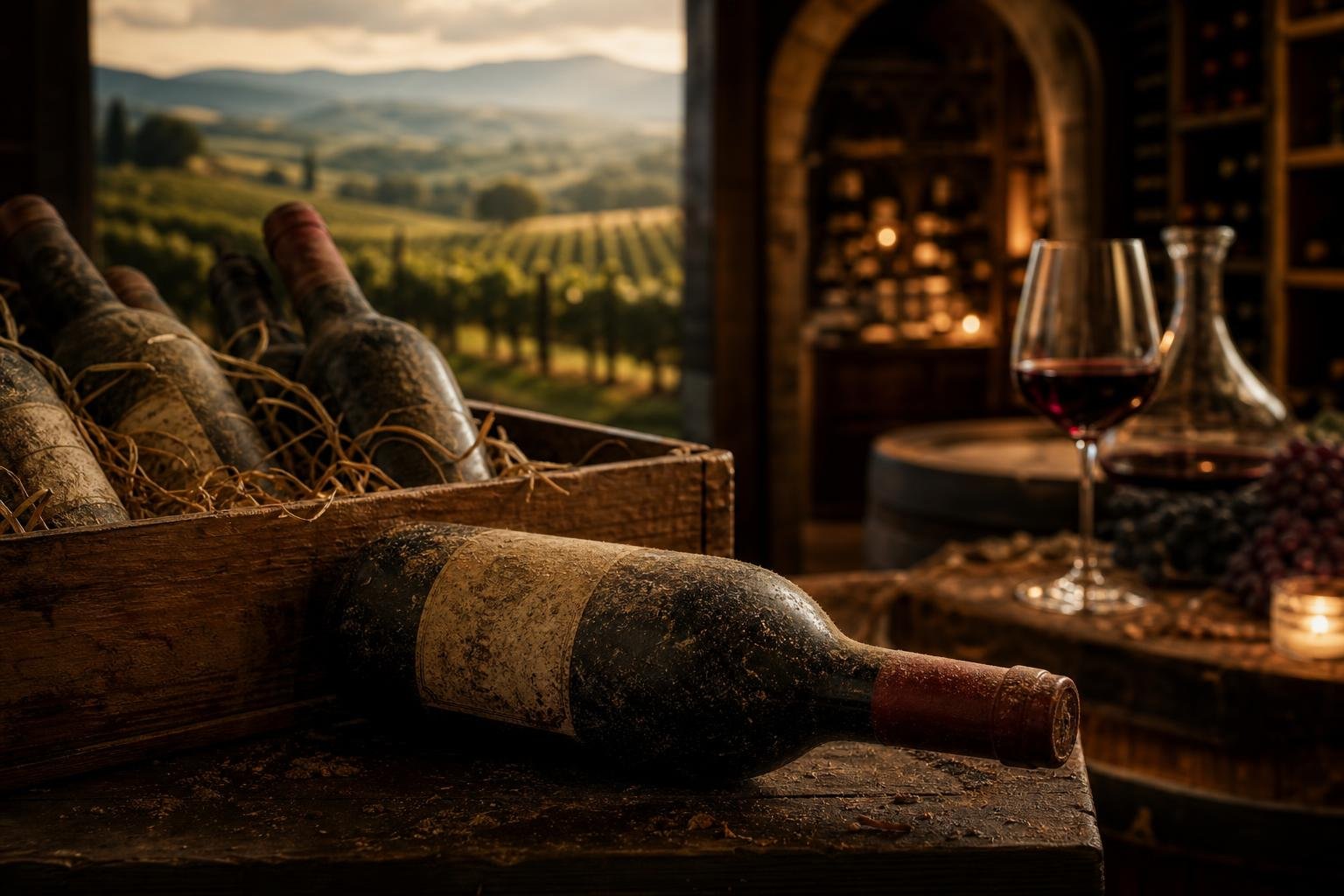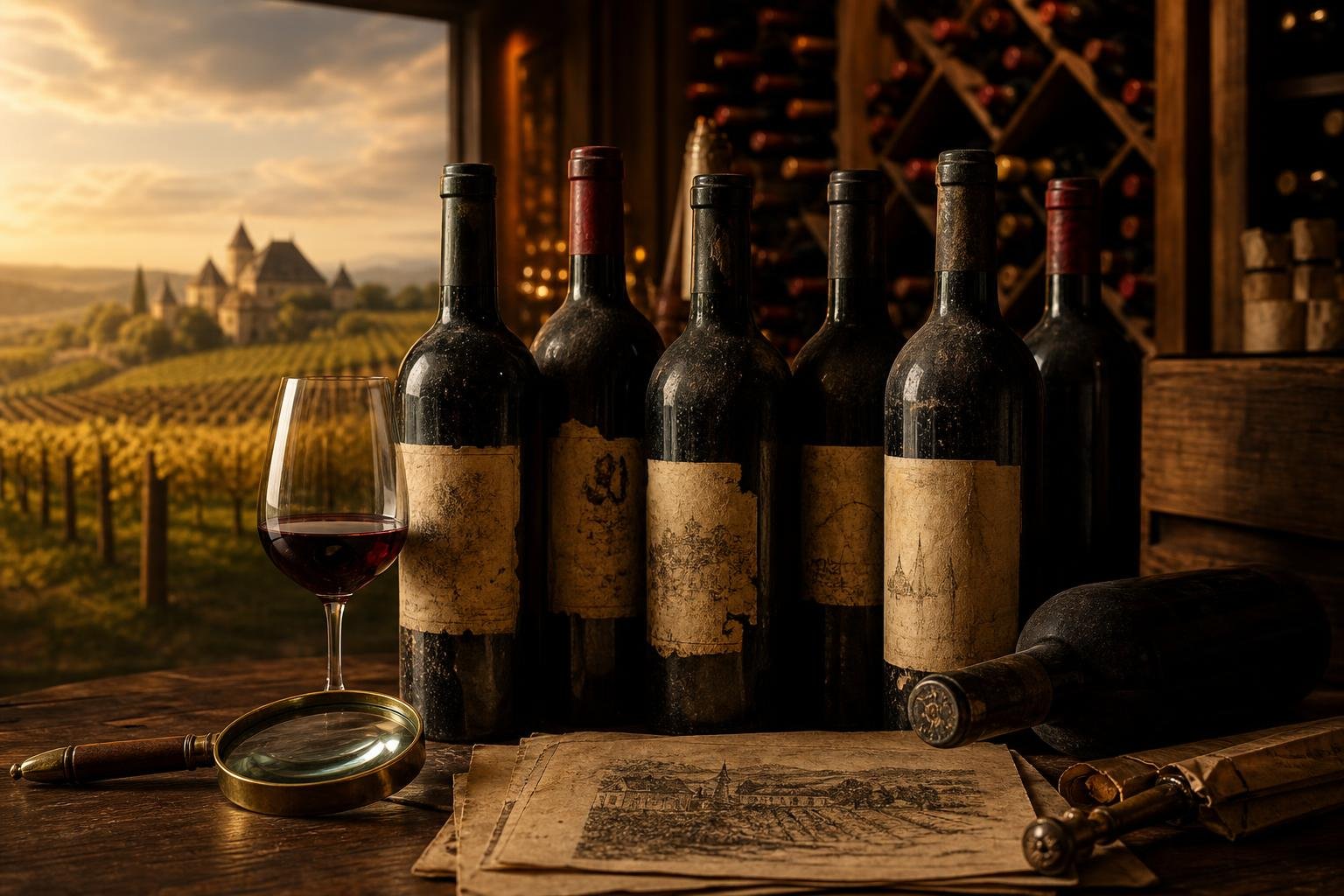
Fake wine thrives where prestige, scarcity and imperfect memory meet. The most convincing fraud is rarely an obviously fabricated bottle. It may combine an authentic old bottle, a reused cork, a carefully aged label and ordinary wine chosen to resemble the expected style. The liquid can be perfectly drinkable while the identity—and therefore the price—is false.
Why Fine Wine Attracts Counterfeiters
A bottle of everyday wine offers little profit to a forger. Rare Burgundy, Bordeaux, Champagne and cult wines are different: celebrated producers make limited quantities, mature bottles become scarce, and prices can rise dramatically. Once bottles have passed through several cellars, restaurants, brokers and auctions, incomplete ownership records create opportunities for invented provenance.
Wine is also unusually difficult to authenticate by taste alone. Bottle variation, storage conditions, cork performance and natural evolution can make two genuine examples taste different. Even experienced tasters may rationalize an unusual flavour as vintage character or poor storage.
The Main Counterfeiting Methods
The simplest method is substitution: inexpensive wine is placed in packaging associated with a valuable label. Fraudsters may refill authentic empty bottles, recork them and reproduce capsules. Genuine bottles are especially useful because their glass shape, embossing and age-related wear are difficult to imitate.
Another method is relabelling. A bottle from a less valuable vintage or vineyard may receive a counterfeit label for a famous year or rarer cuvée. Criminals can also alter original labels, change vintage digits or manufacture false cases and tissue paper. At a broader commercial scale, wine may be misrepresented by origin, grape variety or appellation without attempting to mimic a single collectible bottle.
Provenance can be counterfeited too. Invented cellar histories, fabricated invoices and vague claims such as “from a European collection” lend credibility without supplying verifiable evidence. In my view, a romantic story unsupported by documents should lower confidence rather than increase it.
The Rudy Kurniawan Warning
The best-known modern case involved wine dealer Rudy Kurniawan. In 2013, a US federal jury convicted him of fraud after prosecutors presented evidence that counterfeit wines had been assembled in his home using bottles, labels, corks and blending materials. He was sentenced to 10 years in prison in 2014.
One famous warning sign had appeared earlier: bottles labelled as 1945 Domaine Ponsot Clos Saint-Denis were offered at auction, although the domaine did not begin producing that wine until 1982. Laurent Ponsot intervened, and the lots were withdrawn. The lesson is fundamental: production records can expose a fake before tasting, chemistry or elaborate forensic work becomes necessary.
How Specialists Examine a Bottle
Authentication begins with comparison. Experts study bottle moulds, glass colour, seams, punt shape, label dimensions, typefaces, printing methods, capsule construction and cork branding. They also ask whether these components are historically consistent with the supposed producer and vintage. A correct-looking label on the wrong generation of bottle is a serious problem.
Ultraviolet light may reveal optical brighteners associated with some modern papers, inks or adhesives. Magnification can expose digital printing patterns where period printing should appear. Fill level, sediment and label wear provide additional clues, but none is decisive alone. Genuine bottles can be recorked, professionally relabelled after damage or stored in conditions that create unusual wear.
What Laboratory Testing Can Reveal
Scientific analysis can test whether the liquid is compatible with its claimed age or origin. Radiocarbon measurements may identify wine produced after the era of atmospheric nuclear testing, while traces of caesium-137 can help distinguish some post-1950s wines from earlier ones. Stable-isotope and chemical analyses may contribute evidence about geographical origin or composition.
These methods have limits. Testing can be expensive, may require a sample and does not always identify a precise château or vineyard. Authentication is strongest when documentary research, packaging examination and scientific evidence agree.
How Buyers Can Reduce the Risk
Buy the seller before buying the bottle. Established merchants and auction houses should provide condition reports, clear authenticity guarantees and meaningful return procedures. Request invoices, storage records and previous sale details, especially for bottles whose value depends heavily on rarity.
Compare the bottle with verified examples from the same producer and period. Check whether the wine actually existed in the stated vintage, whether the bottle format was used, and whether production volumes make the offering plausible. Several pristine cases of an exceptionally rare wine deserve more scrutiny, not less.
In collectible wine, provenance is not decoration around the bottle; it is part of the bottle’s value.Collectors should retain purchase records and photograph valuable bottles. Empty trophy bottles should be destroyed or permanently marked before disposal, because intact packaging can return to the market around false wine. Finally, remember that authenticity and condition are separate questions: a bottle can be genuine yet poorly stored, or counterfeit yet filled with impressive wine. The label determines identity, but evidence should determine trust.