Selling fine wine is not simply a matter of finding the highest published price. The figure that matters is the net amount received after commission, transport, insurance, storage, taxes and any charges for unsold lots. A strong result therefore begins with choosing the right sales channel and understanding its complete fee structure. Provenance, condition and timing can be just as important as the reputation of the producer.
Value the Wine Using Real Transactions
Retail listings are poor guides to what a private seller will receive. Merchants’ prices include operating costs, profit margins and, depending on the jurisdiction, applicable taxes. Instead, compare recent auction results and merchant purchase offers for the same producer, vintage, bottle size and condition. Distinguish the hammer price from the buyer’s total cost: auction databases may report either figure. A buyer’s premium is generally paid by the purchaser rather than deducted from the seller’s proceeds, but a substantial premium can still restrain bidding because collectors calculate their all-in cost.
The most impressive headline price is not necessarily the best sale; the best sale is the one producing the strongest reliable net return.Compare Channels on a Net Basis
Traditional auction houses offer specialist cataloguing, established bidders and access to international collectors. They can be particularly effective for mature Bordeaux, Burgundy, Champagne, Rhône wines and complete cases with excellent provenance. Seller commissions may be negotiable and can sometimes fall to zero for especially desirable consignments, while less valuable collections may attract double-digit charges or additional expenses. Online marketplaces can offer more control, although payment protection, fulfilment and legal compliance remain essential. A specialist merchant or broker may deliver a faster, simpler transaction, but the offer will usually incorporate the buyer’s resale margin.
Request a Written Net-Sale Estimate
Ask every potential seller for an itemised projection showing the expected hammer price or purchase offer, seller’s commission, insurance, collection, storage, cataloguing, photography and lotting costs. Confirm whether there are withdrawal fees, minimum charges or penalties if a lot fails to sell. Settlement schedules also matter: auction proceeds are commonly paid only after the buyer has paid, according to the house’s terms. A slightly lower offer with prompt payment and no ancillary charges can be superior to an optimistic estimate burdened by fees and uncertainty.
Use Provenance to Defend the Price
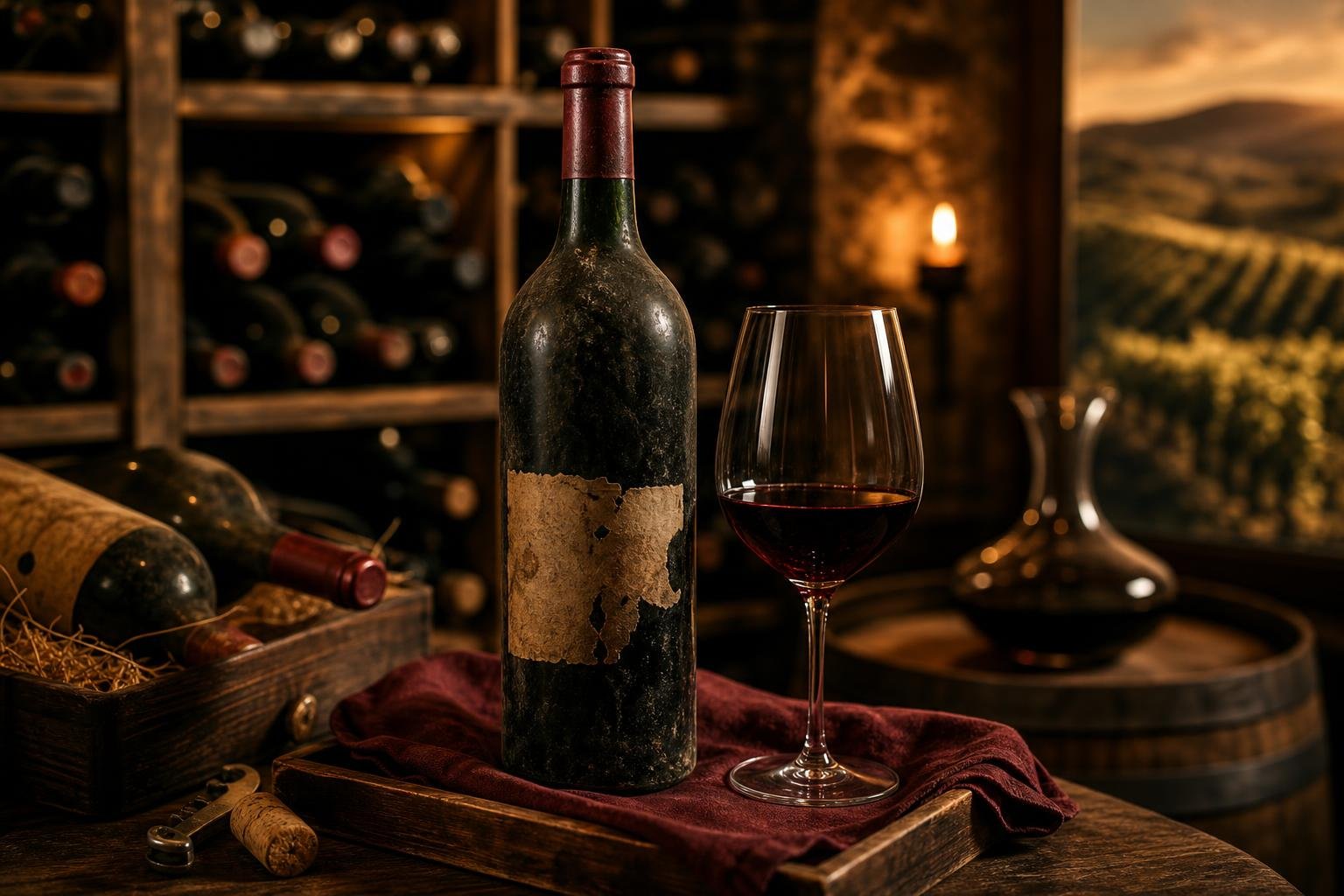
Fine wine is unusually sensitive to its history. Buyers want evidence that bottles have been stored in stable, cool, dark conditions and have not moved repeatedly through unknown cellars. Storage invoices, original purchase receipts and records from professional facilities can materially improve confidence. Original wooden cases often enhance the appeal of classed-growth Bordeaux and other collectible wines, especially when serial numbers, labels and packaging remain intact. For mature bottles, specialists will also assess fill level, seepage, capsule condition, label damage and colour. In Bordeaux terminology, ullage describes the air space between wine and closure; an unexpectedly low level can indicate evaporation or compromised storage.
Group Bottles Intelligently
Lot construction affects both demand and fees. Complete six- or twelve-bottle cases are attractive to collectors, but rare individual bottles may deserve separate lots. Conversely, low-value bottles can become uneconomic when sold singly because minimum commissions, handling and transport consume too much of the proceeds. Mixed lots may work when they have a coherent theme, such as multiple vintages from one estate. Ask the specialist to explain why a proposed grouping is likely to maximise the net result rather than merely simplify cataloguing.
Negotiate More Than Commission
Commission is only one bargaining point. For a valuable cellar, request free collection, complimentary storage before the sale, reduced insurance charges or a guarantee against unsold-lot fees. Clarify the reserve price, which is the minimum level at which a lot may be sold. An unrealistically high reserve can deter momentum and leave the wine unsold, while an unnecessarily low reserve increases exposure in a weak auction. Negotiating a competitive reserve and a sensible estimate range is often more valuable than chasing a small commission reduction.
Consider Timing, Taxes and Legal Restrictions
Demand changes with critic attention, vintage anniversaries, producer releases and broader economic conditions, but short-term market timing is inherently uncertain. Do not keep mature wine indefinitely merely to avoid a modest fee; storage costs and condition risk continue to accumulate. Tax treatment varies by country and may depend on whether the seller is a private collector, investor or business. Alcohol shipment and resale are also regulated in many jurisdictions, and private individuals may need to use licensed intermediaries. Obtain local tax or legal advice before accepting an overseas or direct-to-consumer transaction.
Protect the Bottles Until Settlement
Do not clean old labels aggressively, replace capsules or attempt cosmetic repairs. Photograph bottles and cases before collection, record identifying marks and confirm when responsibility transfers to the intermediary. Use professional wine transport for valuable consignments, particularly during hot or freezing weather. Finally, verify the buyer or auction house, payment process and insurance coverage. Avoiding fraud, heat damage or a disputed condition report will preserve far more value than saving a few percentage points in commission.