Pricing a bottle of wine is not as simple as finding its original retail price and adding a premium for age. Fine wine is a perishable collectible, and its value depends on a combination of identity, condition, provenance, scarcity, demand, and the venue in which it is sold. Two bottles with the same label and vintage can command markedly different prices if one has impeccable storage records and the other has an uncertain history.
Identify the Bottle Precisely
Begin with the information printed on the label: producer, appellation, cuvée, vintage, bottle size, and, where relevant, vineyard designation. Small distinctions can have large financial consequences. A producer may make both a regional bottling and a rare single-vineyard wine, while Burgundy estates often release several wines whose labels appear deceptively similar to an unfamiliar seller.
Bottle format also matters. Magnums and other large formats are scarcer and often attractive to collectors, but their value is not always a simple multiple of the standard 750-millilitre price. Half-bottles may mature faster because they contain more oxygen relative to their volume, and demand for them can be narrower.
Use Comparable Sales, Not Optimistic Listings
The most reliable starting point is recent evidence from completed sales involving the same wine, vintage, format, and approximate condition. Auction archives, specialist merchants, exchange data, and reputable wine-price databases can all provide useful comparisons. Give greater weight to actual transactions than to bottles that remain advertised for months.
Compare like with like. A merchant’s retail price may include tax, storage, authentication, overhead, and a profit margin. An auction result may be reported as the hammer price or as the total paid after the buyer’s premium. A private seller should not assume that either figure represents the amount they will receive.
A credible asking price reflects what buyers have recently paid, not what a seller hopes the bottle might someday be worth.Evaluate Vintage and Current Demand
Vintage quality affects value, but reputation must be considered at both regional and producer level. A difficult growing season can still yield excellent wines from rigorous estates, while a celebrated vintage does not make every bottle collectible. Professional reviews may influence demand, especially around release, yet scores are only one part of the market. Producer reputation, rarity, drinking window, and changing tastes can prove equally important.
Mature wine may rise in value as supplies are consumed, but age alone does not guarantee appreciation. Many wines are made for relatively early drinking and become harder to sell once buyers suspect they are past their peak. Even renowned bottles can decline in price when fashion shifts or when a large quantity appears at auction simultaneously.
Make Provenance Part of the Price
Provenance is the documented history of ownership and storage. Collectors generally prefer wine purchased from an established source, kept in professional storage or a stable temperature-controlled cellar, and supported by invoices or inventory records. Consistent cool temperatures, darkness, and freedom from vibration are favorable; repeated heat exposure can prematurely age wine and cause seepage.
A vague statement that a bottle was “stored well” is less persuasive than records showing when and where it was acquired and cellared. Original wooden cases can also strengthen confidence, particularly when a full case has remained intact. For expensive collections, specialist inspection may be worthwhile.
Inspect the Physical Condition
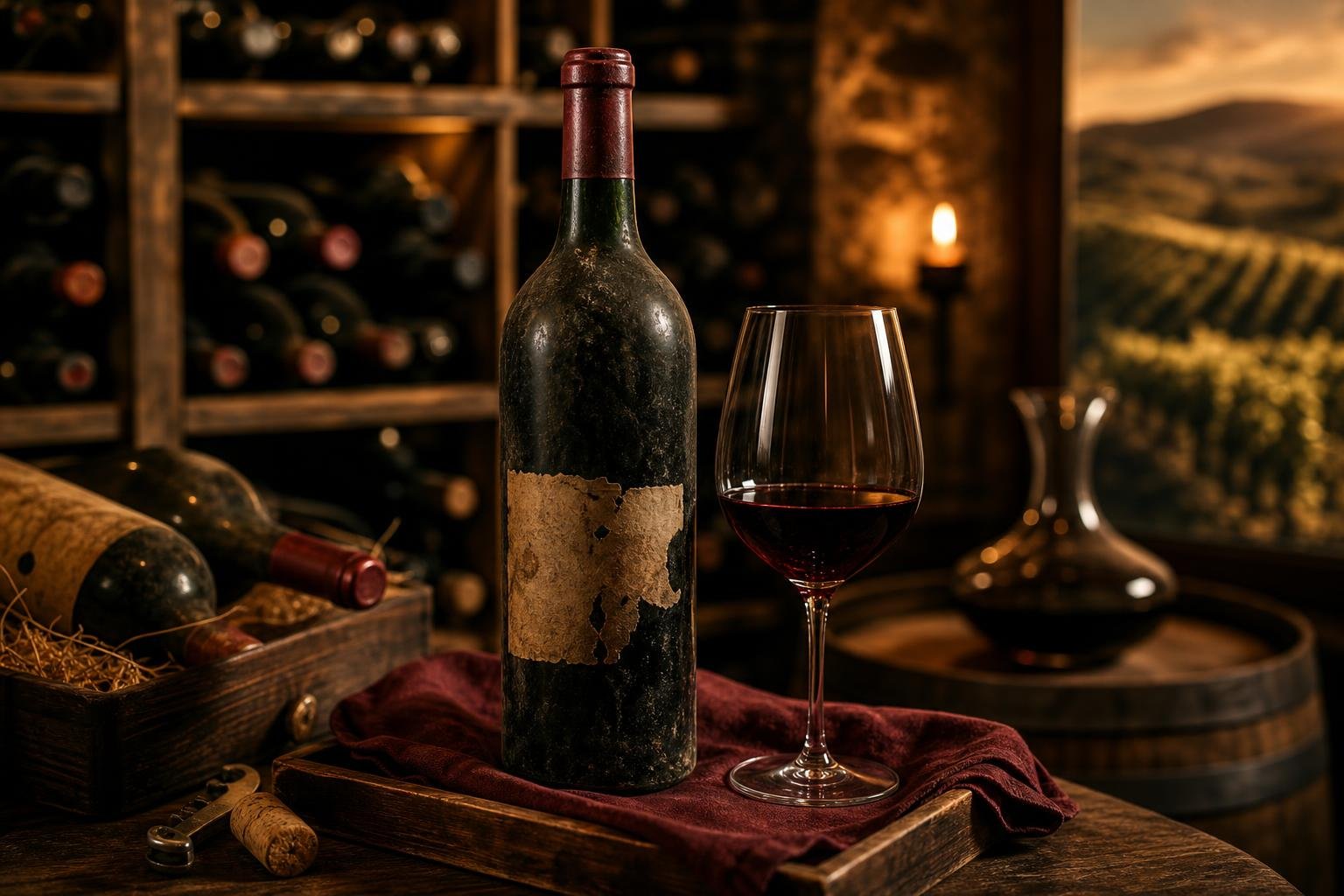
Examine the fill level, capsule, cork, label, and glass. In older bottles, some reduction in fill is expected, but unusually low ullage can suggest evaporation, cork failure, or poor storage. Signs of seepage, a raised cork, heavy staining, or a damaged capsule typically reduce value. Label tears and cellar marks may be merely cosmetic, although collectors seeking pristine presentation can still discount them.
Do not open a bottle to verify it before selling it; doing so destroys its status as an unopened collectible. Photograph the bottle clearly from several angles, including the fill level and any flaws. Honest disclosure builds trust and reduces the risk of disputes.
Account for Selling Costs
Your net proceeds may be substantially lower than the headline sale price. Auction houses and consignment merchants can charge seller commissions, insurance, photography, storage, or withdrawal fees. Buyers may also pay premiums and taxes, limiting how high they will bid. Request a written estimate of the likely hammer price and the amount payable to you after all deductions.
For a direct sale, price below specialist retail while recognizing that the buyer assumes more risk. However, wine sales are regulated differently across jurisdictions. Private individuals may be prohibited from shipping or selling alcohol without an appropriate license, so use a legally compliant auction house, retailer, broker, or marketplace.
Set a Defensible Range
Rather than choosing one number immediately, establish a range. Start with several recent comparable sales, adjust for condition and provenance, and then deduct the costs or risk associated with your chosen channel. Price near the lower end when speed matters; move toward the upper end when the bottle is scarce, impeccably stored, and supported by documentation.
A realistic asking price should leave modest room for negotiation without becoming detached from the market. Review it if there is no serious interest after a reasonable exposure period. For a rare bottle or a collection of significant value, obtain estimates from more than one specialist. The best price is ultimately not the highest advertised figure, but the highest credible amount a qualified buyer is willing to pay through a safe and lawful transaction.