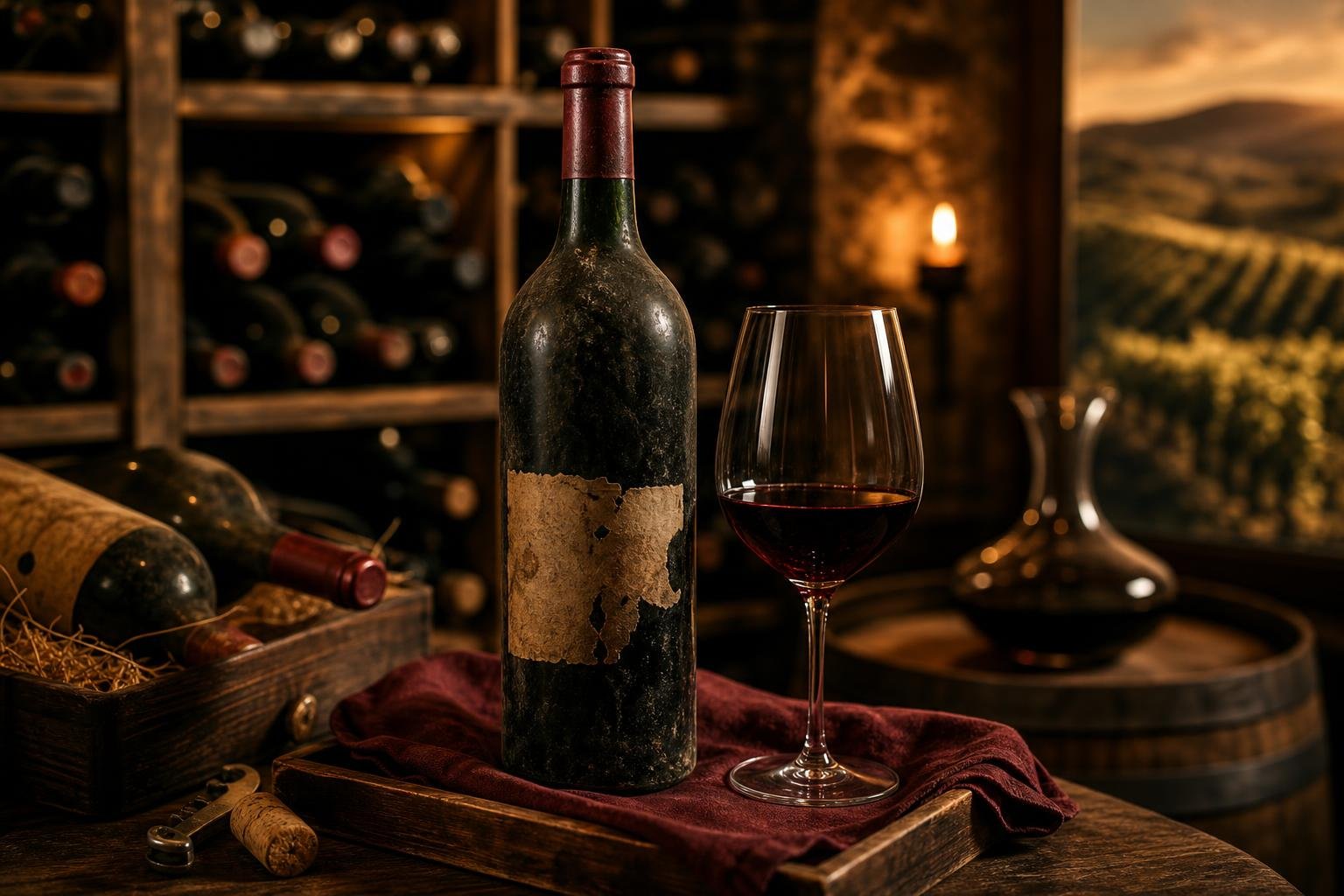
Selling wine without a reserve price can feel unnerving. Once bidding begins, the market—not the owner—determines the hammer price. Yet a no-reserve sale is not necessarily reckless. For the right bottle, in the right auction, it can stimulate competition and produce a strong result. The decision depends on demand, provenance, market timing and, above all, your tolerance for an unexpectedly low price.
What a reserve price actually does
A reserve is the confidential minimum price at which an auctioneer is authorized to sell a lot. If bidding does not reach that threshold, the lot may be passed or bought in, meaning it remains unsold. Auction rules differ by house and jurisdiction, so consignors should read the conditions of sale carefully. In some auctions, the auctioneer may place bids on the seller’s behalf up to the reserve, provided this is disclosed and legally permitted.
A no-reserve lot, by contrast, is normally sold to the highest bidder regardless of the final amount. The published estimate may guide buyers, but it is not a guarantee. The hammer price can finish below the low estimate, while the buyer usually pays an additional buyer’s premium.
Why no-reserve sales can work
Low opening bids often attract attention. More bidders may follow a lot, place early bids and become emotionally invested as the auction progresses. Competitive tension can then carry the price beyond what a cautious reserve might have achieved. No-reserve terms also communicate that the seller is committed to completing the transaction, which can be appealing in a market crowded with ambitious estimates.
A low starting point can invite the room into the contest, but it cannot create demand where none exists.
This approach is most persuasive for wines with a broad international following and a reliable auction history. Classed-growth Bordeaux, sought-after Burgundy, prestige Champagne and celebrated producers from regions such as the Rhône, Piedmont, Tuscany and Napa Valley may already have an established bidder base. Even then, producer, vintage, format and condition remain decisive.
The central risk: one bidder may be enough
Without a reserve, a thinly attended sale can produce a bargain for the buyer and disappointment for the seller. Fine-wine demand is highly specific. A famous appellation does not automatically make every vintage or bottling liquid in the commercial sense. Lesser-known cuvées, mixed-condition cases and wines nearing the end of their expected drinking windows may attract only limited competition.
Timing matters as well. Several identical cases offered in the same auction can divide demand. A bottle may also struggle if a competing house has recently sold a large parcel from the same producer. Auction records are useful, but they describe past transactions rather than promise future results.
Condition and provenance shape the outcome
Serious buyers scrutinize more than the label. Storage history, fill level, capsule condition, label damage, seepage and the integrity of the original wooden case can all influence value. For older bottles, normal age-related label wear may be acceptable, while a depressed fill level can raise concerns about oxidation or closure failure. Large formats often age differently from standard bottles and may command premiums, but only when authenticity and condition inspire confidence.
Provenance is especially important for frequently counterfeited or exceptionally valuable wines. Documentation showing professional storage, original purchase records or direct château and domaine releases can strengthen buyer trust. A no-reserve strategy works best when the catalogue description and photographs answer likely questions before bidding starts.
Calculate the net return, not just the hammer price
Sellers should ask the auction house for a written settlement illustration. The hammer price is not necessarily the amount received. Seller’s commission, insurance, transport, storage, photography, cataloguing and unsold-lot charges may apply, although fees vary widely and can sometimes be negotiated for important consignments. Taxes and reporting obligations also depend on location and circumstances.
A reserve can create costs of its own. If the lot fails to sell, the owner may face return shipping, storage fees or a delay before the wine can be offered elsewhere. Repeated appearances at auction may also make a lot look stale, particularly when buyers can trace earlier unsuccessful offerings.
When a reserve is the wiser choice
Set a reserve when the wine is rare but has a narrow audience, when you need a minimum net return, or when recent comparable sales are inconsistent. It may also be prudent for a bottle whose value depends on a small number of specialist collectors. The reserve should remain defensible: a threshold set too close to an optimistic high estimate can suppress bidding and leave the lot unsold.
Before consigning, compare recent results for the same producer, vintage, bottle size and condition. Ask whether those figures are hammer prices or totals including the buyer’s premium. This distinction is essential because auction databases do not always present prices in the same way.
A sensible middle course
If uncertainty remains, consider testing the market with part of a larger collection rather than exposing every case at once. Choose an auction house with active buyers for the relevant region, request realistic estimates and discuss how the sale will be promoted. A carefully judged reserve may protect value, while a no-reserve offering may maximize participation.
Ultimately, selling without a reserve is best treated as a marketing decision rather than an act of faith. It can be effective for well-provenanced wines with deep demand and strong presentation. For obscure, condition-sensitive or financially important bottles, a reasonable reserve provides valuable protection. The best choice is the one grounded in comparable sales, transparent costs and an honest assessment of how many buyers are likely to compete.