Inheriting a wine collection can feel like receiving equal parts treasure, puzzle, and responsibility. Some cellars contain valuable bottles with impeccable provenance; others are personal archives whose greatest worth lies in the memories attached to them. Before opening, moving, or selling anything, slow down. Wine is sensitive to heat, light, vibration, and careless handling, while its market value depends heavily on storage history and condition.
Secure the Collection Before Sorting It
Your first task is preservation. If the bottles are already in a cool, dark cellar, leave them there while you make a plan. A stable temperature is more important than chasing an exact number, although professional storage commonly operates around 10–15°C, or 50–59°F. Rapid temperature changes can accelerate deterioration, and prolonged heat is particularly damaging.
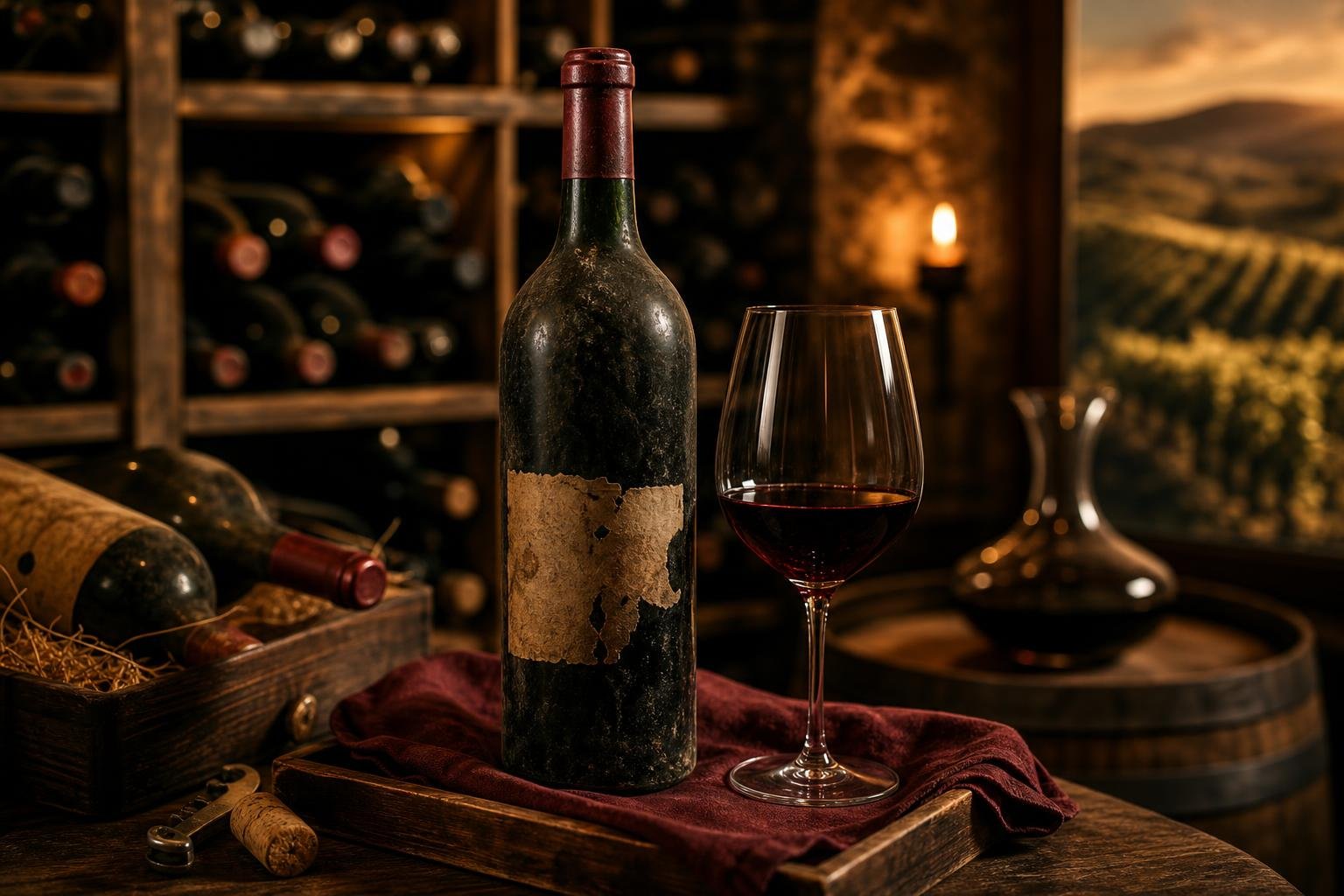
Do not wash bottles, remove dust, replace capsules, or try to improve stained labels. Collectors regard such details as evidence of age and storage. Keep unopened wooden cases intact, and avoid repeatedly moving older bottles because sediment naturally develops as mature red wine ages.
Establish Ownership and Check Legal Obligations
Confirm that the collection is legally part of the estate and that the executor is authorized to distribute or sell it. Alcohol laws, inheritance rules, shipping restrictions, and tax treatment vary by jurisdiction. In some places, a private owner cannot simply advertise and ship wine across state or national borders. An estate lawyer, tax adviser, licensed auction house, or specialist wine merchant can explain the applicable rules.
Contact the property insurer as well. Standard household policies may not provide adequate protection for valuable wine, especially during transport. Ask whether the collection requires scheduled coverage, a specialist policy, or a professional valuation.
Create a Careful Inventory
Record each producer, wine name, appellation, vintage, bottle size, and quantity. Note whether bottles remain in original wooden or cardboard cases. Photograph labels, capsules, fill levels, and case markings without using harsh lighting for extended periods. Cellar-management software or a simple spreadsheet will make the information easier to share with appraisers.
Precision matters. Château names can be similar, and two wines from the same producer may have dramatically different values. Bottle size also counts: a magnum holds 1.5 litres and may command interest because larger formats generally mature more slowly, although market premiums vary.
Assess Condition, Not Just Famous Names
A prestigious label does not guarantee a valuable bottle. Specialists examine provenance, storage, label condition, capsule integrity, signs of seepage, and ullage—the air space between the wine and closure. In an older bottle, some decline in fill level is normal, but unusually low levels may suggest evaporation or a compromised seal.
Look for sticky capsules, wine stains, pushed corks, cloudy leakage, or labels bleached by sunlight. Do not taste a potentially valuable bottle merely to test the collection. One sound bottle does not prove that every bottle was stored identically, and opening rare wine eliminates its resale value.
In the secondary market, provenance is often as important as pedigree: buyers want to know not only what the wine is, but where it has been.
Search for Storage Records and Purchase History
Receipts, auction invoices, merchant correspondence, cellar books, and professional-storage statements can materially strengthen provenance. Original cases bearing importers’ or château markings may also help establish authenticity. Ask family members whether the owner bought wine on release, used bonded storage, travelled with bottles, or moved the cellar during periods of hot weather.
Be cautious with online price searches. Retail asking prices are not the same as auction results, and the value of a pristine bottle stored professionally may differ sharply from that of the same wine with uncertain history.
Obtain an Independent Appraisal
For a substantial collection, consult more than one reputable specialist. Auction houses, established merchants, and independent appraisers can identify bottles with meaningful secondary-market demand. Ask whether the valuation is for insurance, probate, fair market value, or expected sale proceeds; these figures serve different purposes.
Also request a clear explanation of seller’s commissions, insurance, photography, storage, transport, and unsold-lot charges. A dramatic auction estimate is less useful than a realistic net figure after expenses.
Decide What to Keep, Drink, Gift, or Sell
Not every bottle belongs at auction. Mature Bordeaux, Burgundy, Champagne, Rhône wines, Barolo, Napa Cabernet, Vintage Port, and other collectible categories may attract buyers, but producer, vintage, condition, and provenance remain decisive. Everyday wines, bottles past their likely drinking windows, and isolated inexpensive labels may be better enjoyed or shared.
Before selling everything, consider retaining bottles tied to birthdays, anniversaries, or family stories. Wine is unusual among inherited objects because it can create a final shared experience. If you plan to drink older bottles, research appropriate serving methods. Mature reds often contain sediment and should be handled gently; vigorous decanting can cause a fragile wine to fade quickly.
Transport Wine Professionally
Do not place a cellar in a hot car or send valuable bottles through ordinary parcel networks without checking the law and insurance terms. Specialist wine shippers use appropriate packaging and temperature-conscious logistics. Weather matters: even a short delay in a summer warehouse can undo decades of careful storage.
A Collection Is More Than Its Auction Total
The best outcome is not automatically the highest price. A thoughtful plan balances preservation, legal compliance, financial value, and family meaning. Inventory first, document provenance, seek qualified advice, and make decisions bottle by bottle. That measured approach protects both the wine and the story of the person who assembled it.