For collectors, provenance is not a decorative detail on a sales listing. It is the documented history of a bottle: where it was released, who owned it, how it was stored, and how it travelled. Buying direct from a winery can shorten that history dramatically. Fewer transfers usually mean fewer opportunities for heat exposure, poor storage, label damage, substitution, or uncertainty.
This matters most when wine is expensive, mature, scarce, or intended for long ageing. A young bottle bought for dinner next week may not demand forensic scrutiny. A decades-old Burgundy, Barolo, Bordeaux, Napa Cabernet, or Vintage Port is different. Its condition is inseparable from its value, and the quality of its provenance can be as consequential as the reputation of the vintage.
What Direct From the Winery Really Means
The phrase generally describes wine purchased from the producer through a cellar door, mailing list, wine club, allocation, or official online shop. It may also apply to older bottles released from the winery’s own reserves. Such wines are often described as ex-cellar, although buyers should confirm exactly where the bottles have been held and who handled fulfilment.
Direct purchase does not always mean a parcel physically leaves the estate. Some wineries use licensed warehouses, importers, or third-party logistics companies, particularly when shipping across state or national borders. The meaningful question is therefore not merely who issued the invoice, but whether the chain of custody remains short, identifiable, and professionally managed.
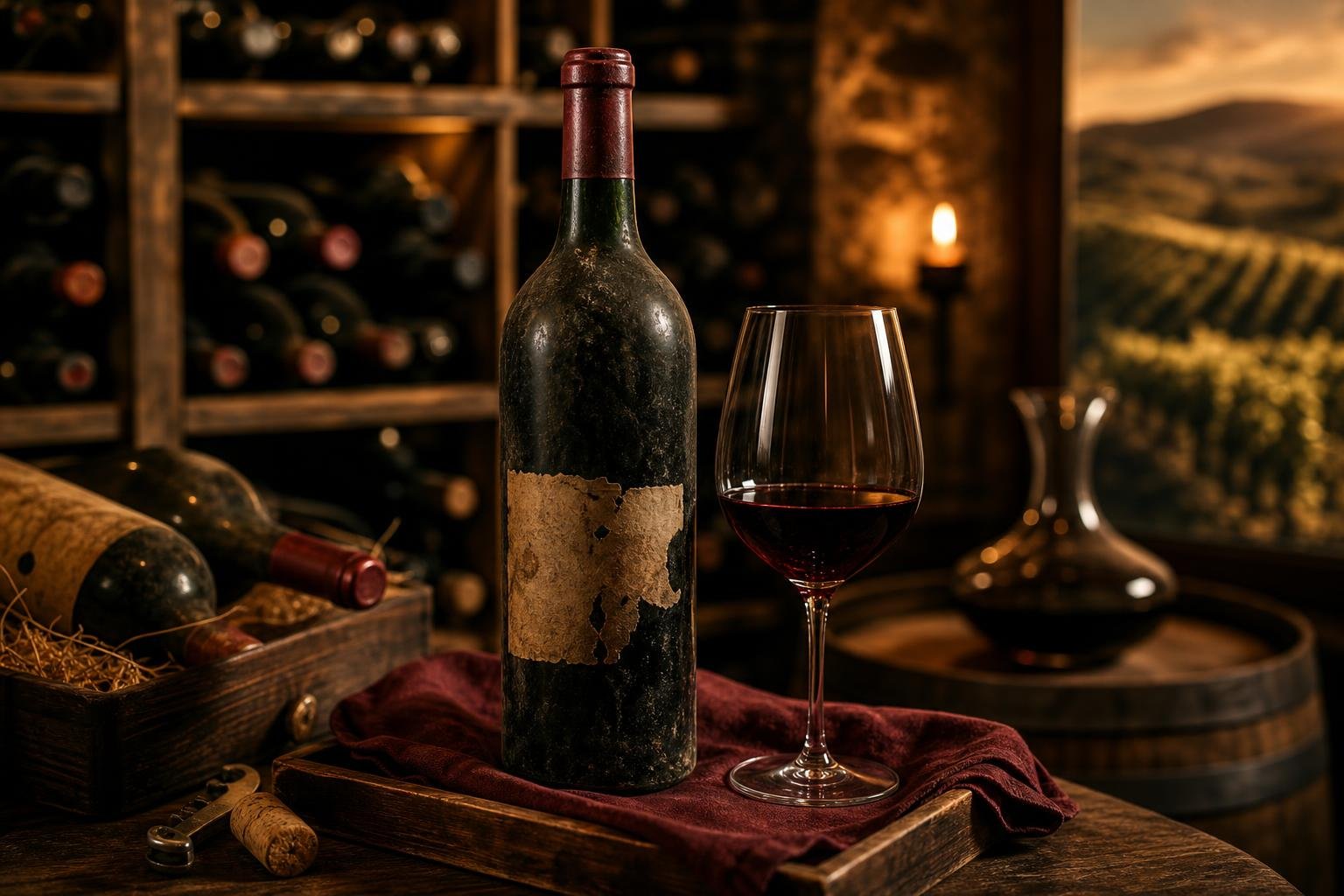
Provenance is the biography of a bottle, written through invoices, cellars, shipping records, labels, corks, and fill levels.Storage Can Shape What Reaches the Glass
Wine develops best in cool, dark, stable conditions. Excessive heat accelerates chemical reactions and can prematurely age a bottle, while repeated temperature swings may place pressure on the closure and encourage seepage. Light can also be damaging, especially to wines in clear glass. Champagne and other light-sensitive wines may develop unpleasant aromas after prolonged exposure to ultraviolet or visible light, a fault commonly called light strike.
A winery with a properly managed cellar can usually provide a more credible storage history than an unknown sequence of retailers, private owners, and freight depots. This does not make every direct bottle perfect. Cork taint, closure failure, and natural bottle variation can occur even under exemplary conditions. Provenance reduces avoidable risk; it cannot abolish biology, chemistry, or chance.
Authenticity Becomes Easier to Assess
Counterfeiting is concentrated around rare and prestigious bottles because their market value rewards deception. Direct acquisition offers a straightforward defence: the bottle originates with the producer or an authorised channel, and the buyer retains an invoice linking the wine to that source.
For mature releases, reputable estates may also document recorking, reconditioning, new labels, or replacement capsules. These interventions are not inherently suspicious. Château-bottled wines have sometimes been inspected and recorked by their producers to extend their useful lives. What matters is transparent disclosure. An altered bottle with sound estate documentation may inspire more confidence than an apparently untouched bottle with no history at all.
Back-Vintage Releases Carry Special Appeal
When a winery releases bottles from its library, collectors gain access to mature wine that may have remained in one cellar since bottling. This is among the strongest forms of provenance available. It can also offer a rare opportunity to understand how a producer’s style evolves across vintages.
Yet ex-cellar does not automatically mean inexpensive. Producers may price library wines according to rarity, maturity, current demand, and the cost of long-term storage. The premium can be rational: buyers are paying not only for liquid, but for decades of controlled custody and unusually high confidence in authenticity.
Shipping Is Part of Provenance
A pristine cellar history can be compromised by careless delivery. Wine left in a hot vehicle or on a sunlit doorstep may suffer even if it spent years in ideal conditions. Thoughtful wineries and merchants monitor weather, delay shipments during heat waves or freezes, use suitable insulation, and offer expedited services when appropriate.
Collectors should ask who fulfils the order, whether temperature-controlled transport is available, and what happens when weather becomes unsafe. Shipping in spring or autumn is often prudent, but local conditions matter more than the calendar. A tracking number and prompt receipt are simple yet valuable parts of responsible custody.
Documentation Protects Future Value
Original invoices, allocation emails, shipping records, and photographs should be retained. If a bottle is later sold, these records help establish ownership and reassure the next buyer. Auction houses assess provenance alongside fill level, label condition, capsule appearance, colour, and evidence of seepage. No document can guarantee condition, but a coherent paper trail strengthens credibility.
Case purchases deserve similar care. Original wooden cases can support provenance, especially when markings and bottle details correspond, although packaging alone is never proof of authenticity. Storage records from a respected professional facility may further strengthen a collection’s history.
Is Direct Purchase Always Necessary?
No. Excellent independent merchants, importers, restaurants, auction houses, and private cellars can offer wines with impeccable histories. A trusted specialist may also provide access to producers that do not sell directly in a buyer’s market. Conversely, a winery purchase handled through poor shipping conditions may be less desirable than a bottle held continuously by a meticulous merchant.
The real advantage of direct-from-winery provenance is clarity. It replaces assumptions with a shorter, more legible story. For everyday wine, that reassurance may be pleasant rather than essential. For bottles expected to mature for years or command serious prices, it becomes a central part of buying well.
A great label identifies a wine; great provenance helps explain whether that wine still has the chance to fulfil its promise.